
Capacity Building
Capacity Building
•One of the reasons why Persons with Disabilities in the Philippines were discriminated against is because of lacking awareness, knowledge, and education about the Rights of Persons with Disabilities. FTI’s goal is to provide Capacity Building to Persons with Disabilities, their families, and their community, including the local government unit in their area. This kind of training increases the engagement of Persons with Disabilities at all levels of society, within families, communities, service providers, and even the Government. Capacity building boosts engagement with a positive cycle. This training includes the capacity to be a leader and a member and achieve the sector’s goal, mission, and objectives toward an inclusive and diverse society. Capacity building helps to understand the rights of Persons with Disabilities. Capacity Building also provides linking and networking externally to increase the impact in different areas of the sector. FTI believes that doing things to Persons with Disabilities will not end exclusion.


Enterprise management services
Since one of the programs and services of FTI is capacity building. FTI also provides inclusive training for enterprise management. Empowered, educated, self-sufficient, and economically dependent persons with disabilities will be capable of handling, managing, and running an enterprise through this training. This training aims to provide knowledge to persons with disabilities in managing the business and process information capabilities. Enterprise management also includes the management of good governance, organizational structure, the importance of integrity, assurance of the sustainability of the business, and mandatory compliances.


Marketing or market-development services
Product development is crucial because it will identify and must meet the target market’s needs and so was marketing the product. FTI provides training for persons with disabilities in marketing. Marketing is exploring, creating, building a network, and delivering value to meet the needs of a target market in terms of their business’s goods and services. Marketing training gives persons with disabilities an opportunity to build a network and the style of marketing strategies with their programs and services. Persons with disabilities will be equipped with knowledge of different marketing strategies for the product and the sustainability of their businesses.


Bookkeeping services
We also provides training in Bookkeeping to persons with disabilities. Businesses need to monitor their financial status. This training includes transactions of purchases, sales, receipts, and payments by a person or an organization/corporation/cooperative. FTI offers standard and straightforward bookkeeping methods, including single-entry and double-entry bookkeeping systems, because an accountant can create financial reports from the information recorded by the bookkeeper. Integrity and accountability are vital aspects that FTI provides to persons with disabilities for them to be financially dependent.

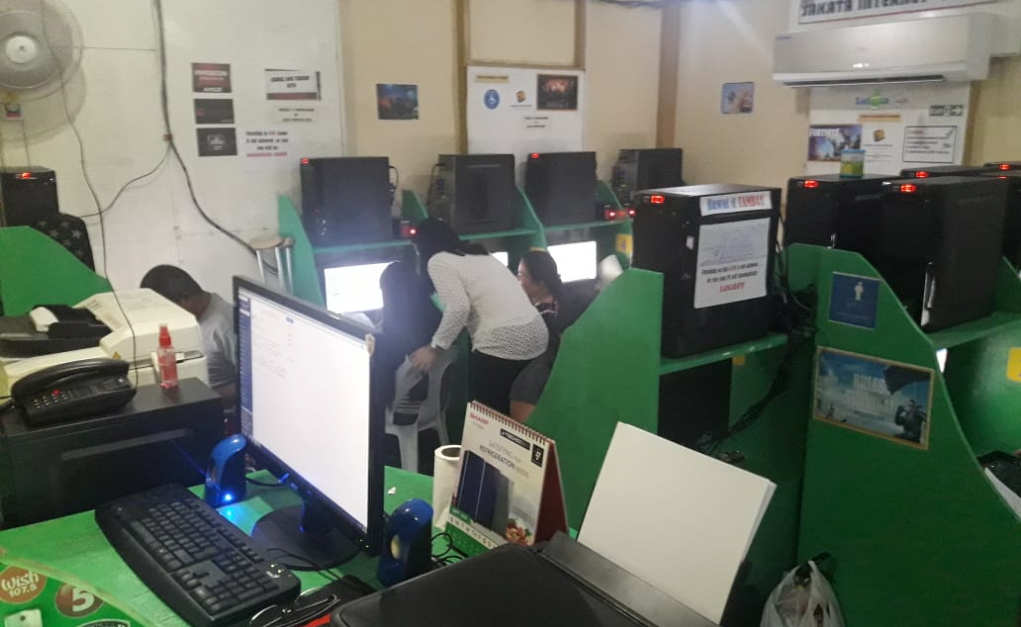
Logistical support to enterprise such as equipment and physical facilities
We provide training in Bookkeeping to persons with disabilities. Businesses need to monitor their financial status. This training includes transactions of purchases, sales, receipts, and payments by a person or an organization/corporation/cooperative. FTI offers standard and straightforward bookkeeping methods, including single-entry and double-entry bookkeeping systems, because an accountant can create financial reports from the information recorded by the bookkeeper. Integrity and accountability are vital aspects that FTI provides to persons with disabilities for them to be financially dependent.

Disability Sensitivity Training
A person with a disability is frequently not considered a potential member of the workforce. Perception, myth, fear, and prejudice continue to limit understanding, and acceptance of Disability in the workplace is expensive. The real obstacle lies with employers. Many employers are still hesitant to take on employees with disabilities because they believe they may create problems in the workplace. FTI and its partner organizations who advocate for the employment of persons with disabilities conduct the Disability Sensitivity Training. This training aims to inform about the Laws related to Disability, employment, building an inclusive workplace, understanding and communicating with Hard of Hearing and Deaf Person, and employing persons with visual impairment. The target audience or participants are
•the Government officials,
•Local Government offices,
•private companies,
•cooperatives, and
•any other form of business that is eligible for employing persons with disabilities in the Philippines.
Creating an equal opportunity is very important to FTI, whose motto is “Employment for All.”


Disability Inclusive Disaster Risk Reduction Management
All populations are at risk of exposure to the adverse effects of environmental and man-made disasters. However, their vulnerability depends on their conditions, civic and social empowerment, and access to mitigation and relief resources. Persons with disabilities are inordinately affected in disaster, emergency, and conflict situations due to inaccessible evacuation, response (including shelters, camps, and food distribution), and recovery efforts. In the Philippines, persons with disabilities are more likely to be left behind or abandoned during evacuation in disasters and conflicts due to a lack of preparation and planning, as well as inaccessible facilities and services and transportation systems. FTI and, in partnership with organizations and Local Government Units, started the training for Disability Inclusive Disaster Risk Reduction Management wherein provides primary responsibility for the community in case of a man-made disaster or natural calamity for persons with disabilities. FTI and its partners came up with a manual on DIDRRM field guide provided to persons with disabilities, local government units, and the emergency response team so that they have reasonable and appropriate assistance when a disaster or natural calamity happens.


